The moment I hit “book now” on my first European river cruise, I felt equal parts excitement and terror. What had I just committed to? Would I be the only solo traveler? Could I handle navigating foreign cities on my own? Would the other passengers be friendly or cliquish?
At 50, I spent months researching solo river cruises in Europe. I read Reddit threads and countless reviews, and I even called cruise lines with questions that probably made me sound like the nervous first timer I absolutely was. All that research paid off in ways I never expected.
A few years ago, I found myself scrolling through Instagram photos of friends’ European vacations while sitting at home, waiting for someone, anyone, to want to join me on an adventure. My mom friends were “too busy with the kids,” my spouse at the time (we’re no longer married) was “not interested,” and my travel loving colleague had two children in college and couldn’t take time off. Sound familiar?
Note: This article contains affiliate links. This site earns from qualifying purchases.
That’s when I made a decision that changed everything: I stopped waiting and started planning. The research became an adventure of its own, from discovering river routes to learning seasonal details I’d never considered.
If you’re a woman over 45 who’s tired of waiting for others to be ready, here is everything I wish I’d found in one place before booking: how to avoid the single supplement, which river and ship size fit you, when to go, and the practical details that make a solo river cruise easy.
Quick Answer: Solo River Cruises in Europe
- Best for: women who want to see several European cities without repacking, plus an easy way to meet people
- When to go: April and May or September and October for mild weather; late November and December for Christmas markets
- Single supplement: usually 150% to 200% of the per person fare, unless you book a solo cabin or a waived supplement offer (see the lines that offer them)
- Budget: roughly $2,000 to $8,000 per person for a week, depending on the line and season
- When to book: 7 to 8 months ahead, earlier for Christmas markets and solo cabins
- Where to stay: a hotel in your embarkation city for at least one night before you sail (my tips)
In This Guide
- Why Solo River Cruises Work So Well for Women Over 45
- How to Avoid the Single Supplement on a Solo River Cruise
- How to Choose the Best River Cruise Line for You
- The Art of Timing: Give Yourself Buffer Time
- When to Go Makes All the Difference
- Ship Size Matters: Finding Your Comfort Zone
- The Water Level Reality Check
- Navigating Local Transportation Like a Pro
- Travel Insurance: The Safety Net Every Solo Traveler Needs
- Solo Notes: Dining, Excursions and Your Cabin
- Where to Stay Before and After Your Cruise
- Solo River Cruise FAQ
Why Solo River Cruises Work So Well for Women Over 45
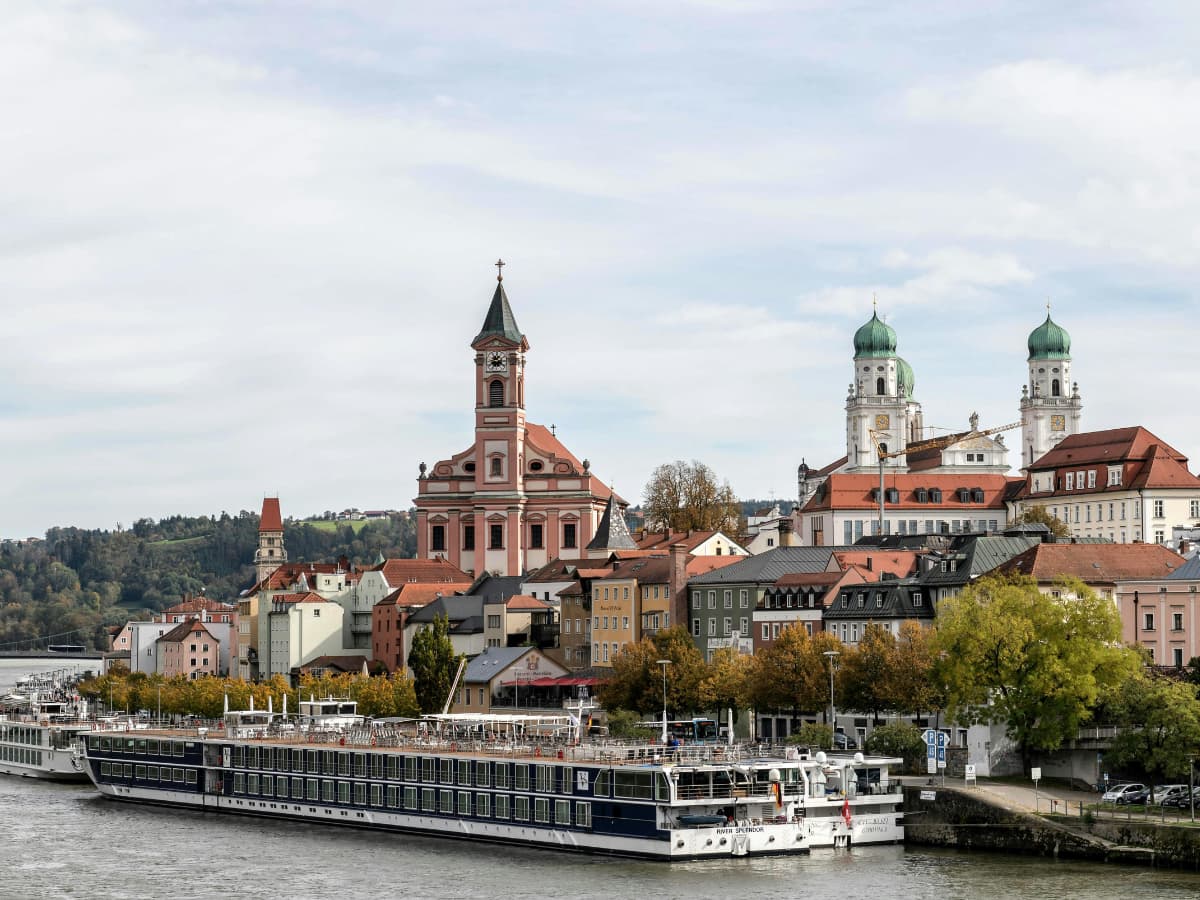
Before I dive into the practical details, here is why river cruising is such a good fit for women our age. Unlike ocean cruises, where you can feel lost in a crowd of thousands, river cruise ships typically host 80 to 150 passengers, so it’s easy to strike up conversations.
The best part? Everything is handled for you. No booking hotels in different cities, figuring out train connections or dragging luggage over cobblestone streets. You unpack once and wake up in a new destination each morning. This, by the way, is one of the BEST things about cruising in general!
How to Avoid the Single Supplement on a Solo River Cruise
The single supplement is the biggest cost difference when you cruise solo. Most lines price cabins for two, so booking one alone usually costs 150% to 200% of the per person fare. The good news: several river lines now offer solo cabins or waive the supplement on some cabins. These are researched picks based on each line’s current offers, not lines I’ve sailed with, and offers change every year, so confirm before you book.
- Tauck: waives the single supplement on all Category 1 cabins on every European river cruise departure in 2026, and takes $1,000 off the supplement in certain other cabin categories on select sailings (Tauck 2026 solo savings). Category 1 cabins are the smallest on the ship, with a window rather than a balcony.
- AmaWaterways: AmaCello, AmaDante, AmaDolce and AmaLyra have staterooms designed for one person, with no supplement. There are only a few per ship, so they book up early.
- Emerald Cruises: no single supplement on select 2026 and 2027 Europe river sailings, plus single staterooms on select ships on the Danube, Rhine, Moselle and Rhône. The offer excludes the Douro (Emerald solo offer).
- Riviera Travel: no single supplement on selected departures, and you get a full double cabin to yourself (Riviera solo river cruises).
- Avalon Waterways: holds back a set number of Category 1 cabins with no single supplement on every departure, and waives it across the board on select sailings.
Solo cabins and waived supplement cabins are limited and sell out first, which is one more reason to book early. As a travel advisor, I can check which lines have solo offers on your dates. Tell me what you’re looking for on my Plan My Getaway page.
How to Choose the Best River Cruise Line for Your Interests and Budget
When I started researching, I was overwhelmed by the options. The major European rivers, including the Seine, Danube, Rhine, Douro and Loire, each offer a completely different experience. Here’s how I narrowed it down, and how you can too:
For the Culture Enthusiast: If you’re like me and love spending hours in museums, browsing local markets and taking walking tours, choose a cruise with longer stops in historic cities. A Danube cruise can give you a full day in Vienna, where you can spend the morning at the Kunsthistorisches Museum and the afternoon wandering through the Naschmarkt. Major lines like Viking, Avalon and AmaWaterways typically offer 8 to 12 hour stops in key cities.

For the Relaxation Seeker: My friend Jennifer, who plans to join me on a future cruise, prefers smaller ships with spa services and gourmet dining. Her ideal day is on deck with a book and a glass of wine, watching the countryside roll by. Companies like Uniworld and Tauck offer these more intimate, luxury focused experiences, and they appear on most lists of the best luxury river cruise lines.
For the Off the Beaten Path Explorer: The Douro River through Portugal and Spain goes beyond the “greatest hits” of European river cruising. The small Portuguese villages and terraced vineyards feel like discovering hidden gems. If you’ve been to Europe before, consider rivers like the Oder through Poland or the Elbe through Germany and the Czech Republic.
For the Loire Valley: Last year I sailed CroisiEurope’s Loire river cruise. Their paddlewheel ship, the Loire Princesse, was built for the Loire’s shallow water and is the only ship offering overnight cruises on the river, so it’s a route most travelers have never heard of.
Budget Reality Check: River cruises typically range from $2,000 to $8,000 per person for a weeklong voyage, depending on the line and season. Unless you book one of the solo offers above, you’ll usually pay a single supplement, but I found it worth every penny for the hassle free experience and instant social opportunities.
Prefer an Ocean Cruise? Holland America and Princess don’t sail Europe’s rivers, but both run ocean cruises around Europe. If you want bigger ships and more time at sea, Holland America sails Mediterranean and Northern Europe itineraries, with departures from ports including Rotterdam, and Princess has its own lineup of European cruises.
The Art of Timing: Give Yourself Buffer Time
Here’s a mistake I almost made on my first cruise: booking my flight to arrive within 24 hours of departure. Flight delays and cancellations can and do happen. For ocean cruises leaving from a US port, I routinely land a full day early. Thank goodness my travel agent friend talked me out of cutting it close for a European cruise! She told me to always build in extra days: at least one full day after landing to adjust to the time zone, and at least one after disembarkation in case of delays.
Giving yourself time to recover from jet lag means you enjoy that first day on the ship instead of stumbling around exhausted. If you’ll arrive in the morning, book a hotel that offers early check in, and take the first day or two easy.
Pro tip: Book your cruise 7 to 8 months in advance. Popular routes, especially during Christmas market season, sell out quickly. I learned this the hard way when I waited too long to book a December German Christmas markets cruise and had to postpone my plans.
Seasonal Considerations: When to Go Makes All the Difference
Christmas Market Season (November and December): The magical Christmas markets in Germany and Austria are unforgettable. However, expect cooler weather and shorter days. Pack layers and waterproof boots, which were essential for those cobblestone streets.
Spring (April and May): A Rhine cruise during tulip season is spectacular. The weather is mild, perfect for walking tours, and the flower fields in the Netherlands are in full bloom. Plus, there are fewer crowds than in summer.
Summer (June through August): Great for long days outdoors, but be prepared for crowds, higher prices and the chance of low water. A Danube cruise in July was beautiful, but the heat in Budapest can be intense.
Fall (September and October): Perfect weather and gorgeous autumn colors, especially in wine regions. A Moselle cruise in October is stunning, with golden vineyards as far as the eye can see.
Ship Size Matters: Finding Your Comfort Zone
As a solo traveler, ship size significantly impacts your experience. I’ve tried both large and small vessels, and here’s what I learned:
Larger Ships (150 to 200 passengers): More amenities, multiple dining options, and it’s easier to find quiet spaces when you need alone time. Viking and AmaWaterways fall into this category. Perfect if you want options but don’t need constant social interaction.
Smaller Ships (50 to 100 passengers): More intimate, easier to get to know fellow passengers, and often more flexible itineraries. On a 78 passenger ship on the Douro, my good friend knew half the passengers by name by day three. Great if you’re naturally social or want to push yourself out of your comfort zone.
Boutique Luxury Ships: Uniworld’s Super Ships on Europe’s rivers carry roughly 100 to 160 guests, with one of the highest staff to guest ratios in river cruising. More expensive, but worth it if you want to feel pampered.
The Water Level Reality Check
This is something I wish I’d known before my first cruise. River levels can dramatically change your itinerary, and there’s nothing anyone can do about it. In summer 2022, low water on the Rhine meant some passengers were taken off their ships and bused to stops like Cologne. Low water affected parts of the Rhine and Danube again in summer 2026.
Summer concerns: The Elbe and Rhine rivers often have low water levels due to heat waves and drought.
Fall and winter concerns: The Rhône and Seine rivers can experience high water levels from heavy rainfall.
Spring considerations: The Danube and Rhine rivers may rise due to snowmelt from the Alps.
When the water is too low to sail, lines may swap passengers onto a sister ship, bus them between cities or book hotels. Most reputable cruise lines have backup plans, but be mentally prepared for itinerary changes. I now view them as unexpected adventures rather than disappointments, and they’re one more reason to buy travel insurance.
Navigating Local Transportation Like a Pro
One of the best parts of river cruising is exploring beyond where your ship docks. I learned to research public transportation in advance, and it made all the difference.
Paris: Download the Citymapper app and buy a day pass for the Metro. Don’t try to figure it out on the spot. I watched too many fellow passengers waste precious shore time looking confused at subway maps.
Vienna: The city tram system is excellent and takes you directly to major attractions. Buy a day pass at the dock.
Budapest: The historic tram lines are an attraction themselves. Take Tram 2 along the Danube for stunning views.
Amsterdam: Rent a bike! It’s the most authentic way to explore the city, and most cruise lines can arrange rentals.
Pro tip: Many cruise lines offer hop on, hop off bus tours that stop at major attractions. While not the most authentic experience, they’re perfect for getting oriented in a new city, especially when traveling solo.
Travel Insurance: The Safety Net Every Solo Traveler Needs
I can’t stress this enough: buy travel insurance. Not just for medical emergencies, but for trip cancellation and interruption coverage. On a trip to Mexico, my flight home was cancelled. My travel insurance policy covered my additional hotel nights plus meals and transportation until my new return flight.
Look for policies that cover:
- Trip cancellation and interruption
- Medical emergencies abroad
- Baggage loss or delay
- Emergency evacuation
Companies like Allianz, Travel Guard and World Nomads offer comprehensive coverage. Expect to pay 4% to 8% of your trip cost for good coverage. If you travel more than three times a year, look at annual plans that cover a full 12 months and can save you money compared with buying a policy for each trip.
Solo Notes: Dining, Excursions and Your Cabin
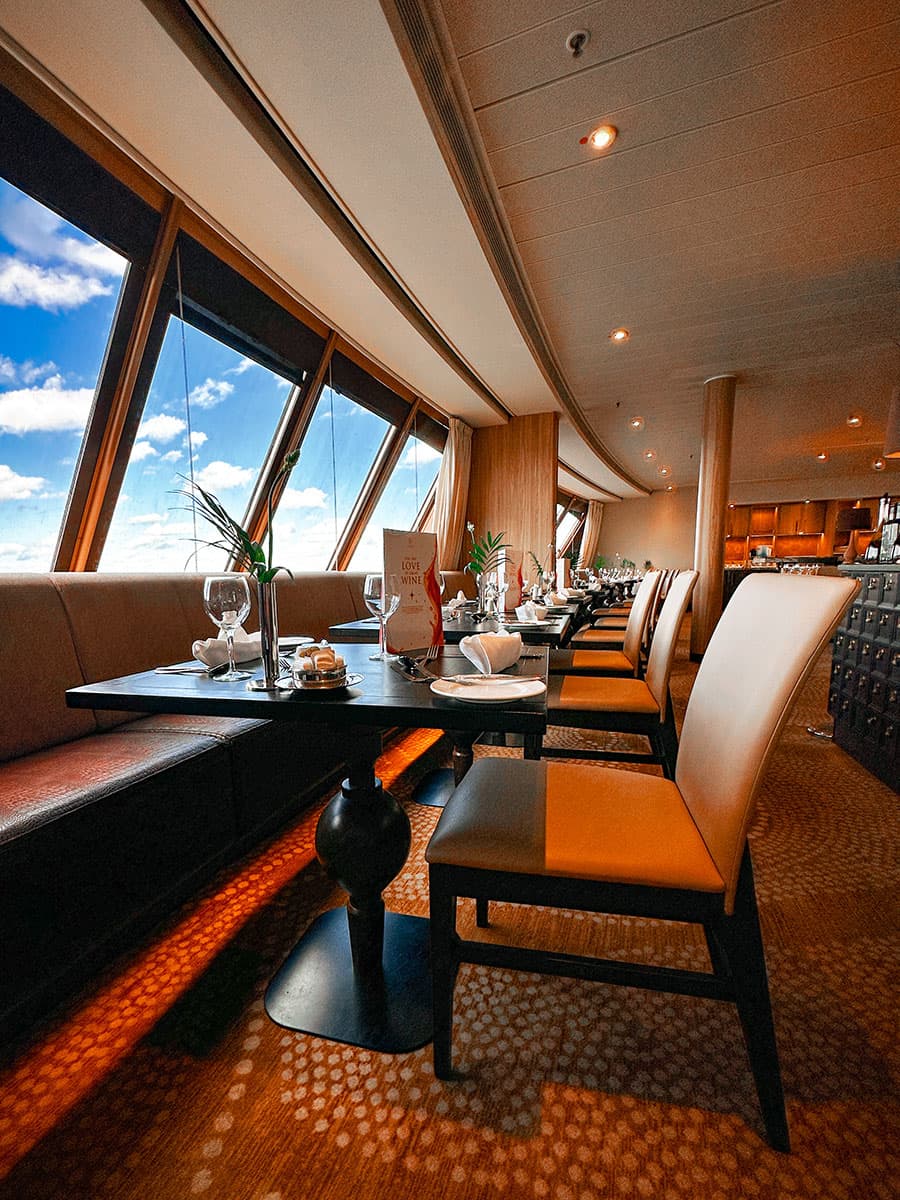
Dining: Most river cruise ships have open seating, making it easy to meet other travelers. I always introduced myself to tablemates and often ended up with dinner companions for the entire cruise.
Shore excursions: Book the cruise line’s tours for your first river cruise. They’re well organized, you’ll meet other passengers, and you don’t have to worry about getting back to the ship on time. Some cruise lines, like CroisiEurope, include excursions in the cost of the cruise.
Packing: Pack layers and comfortable walking shoes. European weather can be unpredictable, and you’ll do a lot of walking on cobblestones.
Money: Carry a mix of cash and cards. Some small European vendors still prefer cash.
Staying connected: An eSIM keeps maps and messages working in every port. Here’s how the GigSky cruise eSIM works at sea and in port.
Solo cabin selection: If your budget allows, book a cabin on the upper deck with a balcony. The views are worth the extra cost, and you’ll have a comfortable space to retreat to when you need alone time. Just know that many waived supplement cabins are the lowest category, with a window instead of a balcony.
Where to Stay Before and After Your Cruise
Plan at least one night in your embarkation city before you sail, and one after if your flight home leaves early. Look for a hotel near the dock or a central train station that offers early check in. Many lines also sell pre and post cruise hotel packages, so compare those with booking your own.
- Amsterdam: a common start or finish for Rhine cruises. Find a hotel in Amsterdam
- Basel: the other end of most Rhine sailings. Find a hotel in Basel
- Budapest: a common start or finish for Danube cruises. Find a hotel in Budapest
- Porto: the home port for Douro cruises. Find a hotel in Porto
The Life Changing Decision to Stop Waiting
Here’s the truth I learned: There will always be reasons to wait. Someone will always be too busy, too broke or too afraid to travel. But your dreams don’t have to be held hostage by other people’s timelines.
That first solo vacation taught me that traveling alone doesn’t mean being lonely. Some of my deepest travel memories come from conversations with fellow passengers, interactions with locals and quiet moments of self discovery while watching the countryside glide by. If this will be your first trip on your own, start with how I plan a solo getaway in 7 steps.
At 50, I’ve now taken some amazing solo adventures and trips with friends. I’ve wandered through flower markets in Amsterdam, hiked up Slieve Gullion in Ireland and explored medieval castles in Rhodes on a Mediterranean cruise. None of these experiences would have happened if I’d kept waiting for someone else to be ready.
So here’s my challenge to you: Stop waiting. That European river cruise you’ve been dreaming about? Book it. The hardest part isn’t the cruise itself; it’s making the decision to go. Once you’re on that ship, watching castles and vineyards drift by from your cabin, you’ll wonder why you waited so long.
The rivers of Europe are waiting, and they don’t care if you’re traveling solo. In fact, they might just prefer it that way.
Plan This Trip With Me
As a licensed travel advisor with Fora, I help women compare river cruise lines, find solo cabin offers and plan the hotel nights and flights around the sailing. There’s no planning fee when you book through me. Tell me what you have in mind on my Plan My Getaway page and let’s find your river.
Solo River Cruise FAQ
Are river cruises good for solo travelers?
Yes. River cruise ships typically carry 80 to 150 passengers, most have open seating at meals, and you unpack once while the ship moves you from city to city. That makes it easy to meet people without having to plan every detail yourself.
How do I avoid the single supplement on a river cruise?
Book a solo stateroom or a cabin where the line waives the supplement. Tauck waives it on Category 1 cabins on every European river departure in 2026, AmaWaterways has solo staterooms on several ships, and Emerald, Riviera and Avalon waive it on select cabins or sailings. These cabins are limited, so book early.
How far ahead should I book a European river cruise?
Book 7 to 8 months in advance. Christmas market sailings and solo cabins sell out first, so book those even earlier.
What is the best time of year for a European river cruise?
April and May or September and October bring mild weather and fewer crowds. Late November and December is Christmas market season, with cooler weather and shorter days. Summer is busier and more likely to have low water.
What happens if river levels are too low to sail?
Cruise lines may swap passengers onto a sister ship, bus them between cities or book hotels. Most have backup plans, but travel insurance with trip interruption coverage is a smart safety net.
Do I need travel insurance for a river cruise?
I always buy it. Look for trip cancellation and interruption, medical emergencies abroad, baggage loss or delay, and emergency evacuation. Expect to pay about 4% to 8% of your trip cost.
Keep Planning Your Getaway